
+34 935 683 411 comercial@atissa.es
Base materials

Laminados Normales
LEGACY MATERIALS

Legacy materials are mature products that we have produced and sold for more than 10 years. These products have provided our customers the performance requirements they have needed for thousands of designs. Materials in this category are still being manufactured and sold, but are no longer being actively promoted.
Fiables a alta temperatura
Alta Densidad
Poliimida
High thermal reliability
HIGH THERMAL RELIABILITY
Thermal reliability requirements can be separated into two categories. The first involves survival of a PCB through assembly without defects such as blisters or delamination. The second category involves thermal reliability in the operating environment over a product’s lifetime. Both types of thermal reliability are critical.
While excellent thermal reliability through assembly has always been important, the advent of lead-free assembly has required further enhancements to printed circuit materials in recent years due to the higher assembly temperatures required. In addition, many products that have had exemptions for lead-free assembly will need to convert to lead-free assembly in the near future. Often, these are the more complex PCB designs where thermal requirements are already demanding.
Beyond lead-free assembly, applications where PCBs are exposed to harsh operating environments also require thermally robust materials. Isola offers several products with different levels of electrical performance that all possess excellent thermal reliability.
Features:
- High glass transition temperature, Tg
- Low CTE
- High decomposition temperature, Td
- Low moisture absorption
- High time to delamination, T-260 & T-288
- Ease of manufacturing
- Global availability & technical support
Typical Applications:
- Lead-free assembly
- Sequential lamination
- Automotive
- Aerospace
- Military
- Down-well drilling
- Telecommunications & Network Infrastructure
- High-speed computing
Product | CTE Z-axis | Tg | Td | Dk | Df |
2.2 | 200 | 400 | 4.43 | 0.016 | |
3.0 | 150 | 330 | 4.20 | 0.016 | |
1.5 | 260 | 416 | 3.76 | 0.017 | |
2.5 | 200 | 360 | 3.02 | 0.0021 | |
N/A | 200 | 390 | 3.45 | 0.0032 | |
N/A | 200 | 360 | 3.38 / 3.45 / 3.60 / 3.75 | 0.0028 – 0.0035 | |
N/A | 200 | 360 | 3.00 | 0.0017 | |
2.7 | 180 | 340 | 4.01 | 0.0200 | |
2.9 | 200 | 390 | 3.44 | 0.0039 | |
2.8 | 200 | 360 | 3.45 | 0.0031 | |
2.7 | 180 | 360 | 3.64 | 0.0060 | |
2.8 | 190 | 360 | 3.68 | 0.0092 | |
2.8 | 200 | 370 | 3.72 | 0.0120 | |
2.8 | 180 | 340 | 4.04 | 0.0210 | |
3.3 | 150 | 330 | 3.90 | 0.022 | |
2.8 | 170 | 350 | 4.04 | 0.021 | |
1.5 | 260 | 396 | 3.76 | 0.017 |
Radiofrecuencia y microondas
RF / MICROWAVE
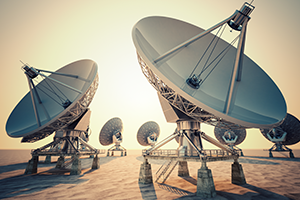
Isola helps designers achieve smaller, more powerful and durable and less power hungry products.
Today’s RF, microwave and millimeter wave designers are challenged more than ever with the task of achieving an optimal balance between cost and performance when selecting base materials. Key factors include precise control of dielectric thickness, dielectric constant and dissipation factor, achieving lowest tolerance within a batch as well as batch-to-batch. To achieve controlled impedance and consistent electrical performance, along the lines of amplitude and phase response, RF high-frequency designs require extremely precise controls on dielectric constant, line widths and dielectric thickness. If any one of these three factors is changed, variations will be seen in the performance of the circuit. As frequencies increase, designers are looking to controlled dielectric materials as a means of achieving optimal signal performance. This would include the designers also paying closer attention to the selection of copper foils such as VLP-2 (very low profile 2 micron), as well as woven glass styles such as square weave or spread glass styles that would also help improve overall performance and ease of PCB manufacturing.
Alta Frecuencia y Especiales
Flexibles
Laminados Normales
LEGACY MATERIALS
Legacy materials are mature products that we have produced and sold for more than 10 years. These products have provided our customers the performance requirements they have needed for thousands of designs. Materials in this category are still being manufactured and sold, but are no longer being actively promoted.
Alta Densidad
Poliimida
Radiofrecuencia y microondas
RF / MICROWAVE
Isola helps designers achieve smaller, more powerful and durable and less power hungry products.
Today’s RF, microwave and millimeter wave designers are challenged more than ever with the task of achieving an optimal balance between cost and performance when selecting base materials. Key factors include precise control of dielectric thickness, dielectric constant and dissipation factor, achieving lowest tolerance within a batch as well as batch-to-batch. To achieve controlled impedance and consistent electrical performance, along the lines of amplitude and phase response, RF high-frequency designs require extremely precise controls on dielectric constant, line widths and dielectric thickness. If any one of these three factors is changed, variations will be seen in the performance of the circuit. As frequencies increase, designers are looking to controlled dielectric materials as a means of achieving optimal signal performance. This would include the designers also paying closer attention to the selection of copper foils such as VLP-2 (very low profile 2 micron), as well as woven glass styles such as square weave or spread glass styles that would also help improve overall performance and ease of PCB manufacturing.
Alta Frecuencia y Especiales
Flexibles
Laminados Normales
LEGACY MATERIALS
Legacy materials are mature products that we have produced and sold for more than 10 years. These products have provided our customers the performance requirements they have needed for thousands of designs. Materials in this category are still being manufactured and sold, but are no longer being actively promoted.
High thermal reliability
Alta Densidad
Poliimida
Radiofrecuencia y microondas
RF / MICROWAVE
Isola helps designers achieve smaller, more powerful and durable and less power hungry products.
Today’s RF, microwave and millimeter wave designers are challenged more than ever with the task of achieving an optimal balance between cost and performance when selecting base materials. Key factors include precise control of dielectric thickness, dielectric constant and dissipation factor, achieving lowest tolerance within a batch as well as batch-to-batch. To achieve controlled impedance and consistent electrical performance, along the lines of amplitude and phase response, RF high-frequency designs require extremely precise controls on dielectric constant, line widths and dielectric thickness. If any one of these three factors is changed, variations will be seen in the performance of the circuit. As frequencies increase, designers are looking to controlled dielectric materials as a means of achieving optimal signal performance. This would include the designers also paying closer attention to the selection of copper foils such as VLP-2 (very low profile 2 micron), as well as woven glass styles such as square weave or spread glass styles that would also help improve overall performance and ease of PCB manufacturing.
Alta Frecuencia y Especiales
Flexibles
Laminados Normales
LEGACY MATERIALS
Legacy materials are mature products that we have produced and sold for more than 10 years. These products have provided our customers the performance requirements they have needed for thousands of designs. Materials in this category are still being manufactured and sold, but are no longer being actively promoted.
Alta Densidad
Poliimida
Radiofrecuencia y microondas
RF / MICROWAVE
Isola helps designers achieve smaller, more powerful and durable and less power hungry products.
Today’s RF, microwave and millimeter wave designers are challenged more than ever with the task of achieving an optimal balance between cost and performance when selecting base materials. Key factors include precise control of dielectric thickness, dielectric constant and dissipation factor, achieving lowest tolerance within a batch as well as batch-to-batch. To achieve controlled impedance and consistent electrical performance, along the lines of amplitude and phase response, RF high-frequency designs require extremely precise controls on dielectric constant, line widths and dielectric thickness. If any one of these three factors is changed, variations will be seen in the performance of the circuit. As frequencies increase, designers are looking to controlled dielectric materials as a means of achieving optimal signal performance. This would include the designers also paying closer attention to the selection of copper foils such as VLP-2 (very low profile 2 micron), as well as woven glass styles such as square weave or spread glass styles that would also help improve overall performance and ease of PCB manufacturing.
Alta Frecuencia y Especiales
Flexibles
Laminados Normales
LEGACY MATERIALS
Legacy materials are mature products that we have produced and sold for more than 10 years. These products have provided our customers the performance requirements they have needed for thousands of designs. Materials in this category are still being manufactured and sold, but are no longer being actively promoted.
Fiables a alta temperatura
Alta Densidad
Poliimida
High thermal reliability
HIGH THERMAL RELIABILITY
Thermal reliability requirements can be separated into two categories. The first involves survival of a PCB through assembly without defects such as blisters or delamination. The second category involves thermal reliability in the operating environment over a product’s lifetime. Both types of thermal reliability are critical.
While excellent thermal reliability through assembly has always been important, the advent of lead-free assembly has required further enhancements to printed circuit materials in recent years due to the higher assembly temperatures required. In addition, many products that have had exemptions for lead-free assembly will need to convert to lead-free assembly in the near future. Often, these are the more complex PCB designs where thermal requirements are already demanding.
Beyond lead-free assembly, applications where PCBs are exposed to harsh operating environments also require thermally robust materials. Isola offers several products with different levels of electrical performance that all possess excellent thermal reliability.
Features:
- High glass transition temperature, Tg
- Low CTE
- High decomposition temperature, Td
- Low moisture absorption
- High time to delamination, T-260 & T-288
- Ease of manufacturing
- Global availability & technical support
Typical Applications:
- Lead-free assembly
- Sequential lamination
- Automotive
- Aerospace
- Military
- Down-well drilling
- Telecommunications & Network Infrastructure
- High-speed computing
Product | CTE Z-axis | Tg | Td | Dk | Df |
2.2 | 200 | 400 | 4.43 | 0.016 | |
3.0 | 150 | 330 | 4.20 | 0.016 | |
1.5 | 260 | 416 | 3.76 | 0.017 | |
2.5 | 200 | 360 | 3.02 | 0.0021 | |
N/A | 200 | 390 | 3.45 | 0.0032 | |
N/A | 200 | 360 | 3.38 / 3.45 / 3.60 / 3.75 | 0.0028 – 0.0035 | |
N/A | 200 | 360 | 3.00 | 0.0017 | |
2.7 | 180 | 340 | 4.01 | 0.0200 | |
2.9 | 200 | 390 | 3.44 | 0.0039 | |
2.8 | 200 | 360 | 3.45 | 0.0031 | |
2.7 | 180 | 360 | 3.64 | 0.0060 | |
2.8 | 190 | 360 | 3.68 | 0.0092 | |
2.8 | 200 | 370 | 3.72 | 0.0120 | |
2.8 | 180 | 340 | 4.04 | 0.0210 | |
3.3 | 150 | 330 | 3.90 | 0.022 | |
2.8 | 170 | 350 | 4.04 | 0.021 | |
1.5 | 260 | 396 | 3.76 | 0.017 |
Radiofrecuencia y microondas
RF / MICROWAVE
Isola helps designers achieve smaller, more powerful and durable and less power hungry products.
Today’s RF, microwave and millimeter wave designers are challenged more than ever with the task of achieving an optimal balance between cost and performance when selecting base materials. Key factors include precise control of dielectric thickness, dielectric constant and dissipation factor, achieving lowest tolerance within a batch as well as batch-to-batch. To achieve controlled impedance and consistent electrical performance, along the lines of amplitude and phase response, RF high-frequency designs require extremely precise controls on dielectric constant, line widths and dielectric thickness. If any one of these three factors is changed, variations will be seen in the performance of the circuit. As frequencies increase, designers are looking to controlled dielectric materials as a means of achieving optimal signal performance. This would include the designers also paying closer attention to the selection of copper foils such as VLP-2 (very low profile 2 micron), as well as woven glass styles such as square weave or spread glass styles that would also help improve overall performance and ease of PCB manufacturing.
Alta Frecuencia y Especiales
Flexibles
Laminados Normales
LEGACY MATERIALS
Legacy materials are mature products that we have produced and sold for more than 10 years. These products have provided our customers the performance requirements they have needed for thousands of designs. Materials in this category are still being manufactured and sold, but are no longer being actively promoted.
Alta Densidad
Poliimida
Radiofrecuencia y microondas
RF / MICROWAVE
Isola helps designers achieve smaller, more powerful and durable and less power hungry products.
Today’s RF, microwave and millimeter wave designers are challenged more than ever with the task of achieving an optimal balance between cost and performance when selecting base materials. Key factors include precise control of dielectric thickness, dielectric constant and dissipation factor, achieving lowest tolerance within a batch as well as batch-to-batch. To achieve controlled impedance and consistent electrical performance, along the lines of amplitude and phase response, RF high-frequency designs require extremely precise controls on dielectric constant, line widths and dielectric thickness. If any one of these three factors is changed, variations will be seen in the performance of the circuit. As frequencies increase, designers are looking to controlled dielectric materials as a means of achieving optimal signal performance. This would include the designers also paying closer attention to the selection of copper foils such as VLP-2 (very low profile 2 micron), as well as woven glass styles such as square weave or spread glass styles that would also help improve overall performance and ease of PCB manufacturing.
Alta Frecuencia y Especiales
Flexibles
Laminados Normales
LEGACY MATERIALS
Legacy materials are mature products that we have produced and sold for more than 10 years. These products have provided our customers the performance requirements they have needed for thousands of designs. Materials in this category are still being manufactured and sold, but are no longer being actively promoted.
High thermal reliability
Alta Densidad
Poliimida
Radiofrecuencia y microondas
RF / MICROWAVE
Isola helps designers achieve smaller, more powerful and durable and less power hungry products.
Today’s RF, microwave and millimeter wave designers are challenged more than ever with the task of achieving an optimal balance between cost and performance when selecting base materials. Key factors include precise control of dielectric thickness, dielectric constant and dissipation factor, achieving lowest tolerance within a batch as well as batch-to-batch. To achieve controlled impedance and consistent electrical performance, along the lines of amplitude and phase response, RF high-frequency designs require extremely precise controls on dielectric constant, line widths and dielectric thickness. If any one of these three factors is changed, variations will be seen in the performance of the circuit. As frequencies increase, designers are looking to controlled dielectric materials as a means of achieving optimal signal performance. This would include the designers also paying closer attention to the selection of copper foils such as VLP-2 (very low profile 2 micron), as well as woven glass styles such as square weave or spread glass styles that would also help improve overall performance and ease of PCB manufacturing.
Alta Frecuencia y Especiales
Flexibles
Laminados Normales
LEGACY MATERIALS
Legacy materials are mature products that we have produced and sold for more than 10 years. These products have provided our customers the performance requirements they have needed for thousands of designs. Materials in this category are still being manufactured and sold, but are no longer being actively promoted.
Alta Densidad
Poliimida
Radiofrecuencia y microondas
RF / MICROWAVE
Isola helps designers achieve smaller, more powerful and durable and less power hungry products.
Today’s RF, microwave and millimeter wave designers are challenged more than ever with the task of achieving an optimal balance between cost and performance when selecting base materials. Key factors include precise control of dielectric thickness, dielectric constant and dissipation factor, achieving lowest tolerance within a batch as well as batch-to-batch. To achieve controlled impedance and consistent electrical performance, along the lines of amplitude and phase response, RF high-frequency designs require extremely precise controls on dielectric constant, line widths and dielectric thickness. If any one of these three factors is changed, variations will be seen in the performance of the circuit. As frequencies increase, designers are looking to controlled dielectric materials as a means of achieving optimal signal performance. This would include the designers also paying closer attention to the selection of copper foils such as VLP-2 (very low profile 2 micron), as well as woven glass styles such as square weave or spread glass styles that would also help improve overall performance and ease of PCB manufacturing.